
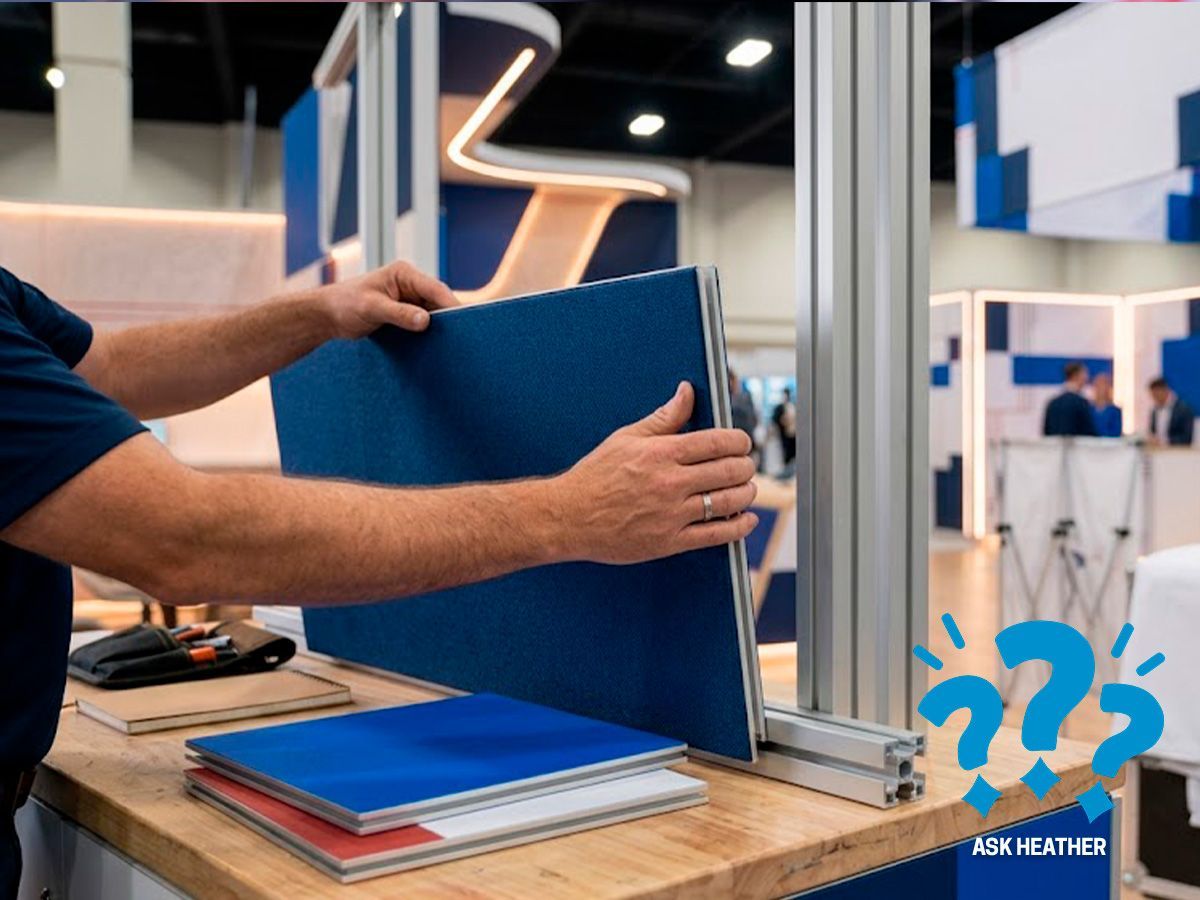
What Are the Most Common Trade Show Mistakes?

Heather Bundgaard • July 24, 2026

Share this article

Trade shows are expensive.


Between booth space, travel, shipping, marketing materials, and staff time, even a small event can represent a significant investment.


Yet many exhibitors sabotage their results before the show even begins.


The good news?


Most trade show mistakes are completely avoidable.


By recognizing the most common pitfalls ahead of time, you can maximize your return on investment, generate more qualified leads, and create a better experience for both your team and your attendees.


Here are the mistakes I see most often—and how to avoid them.

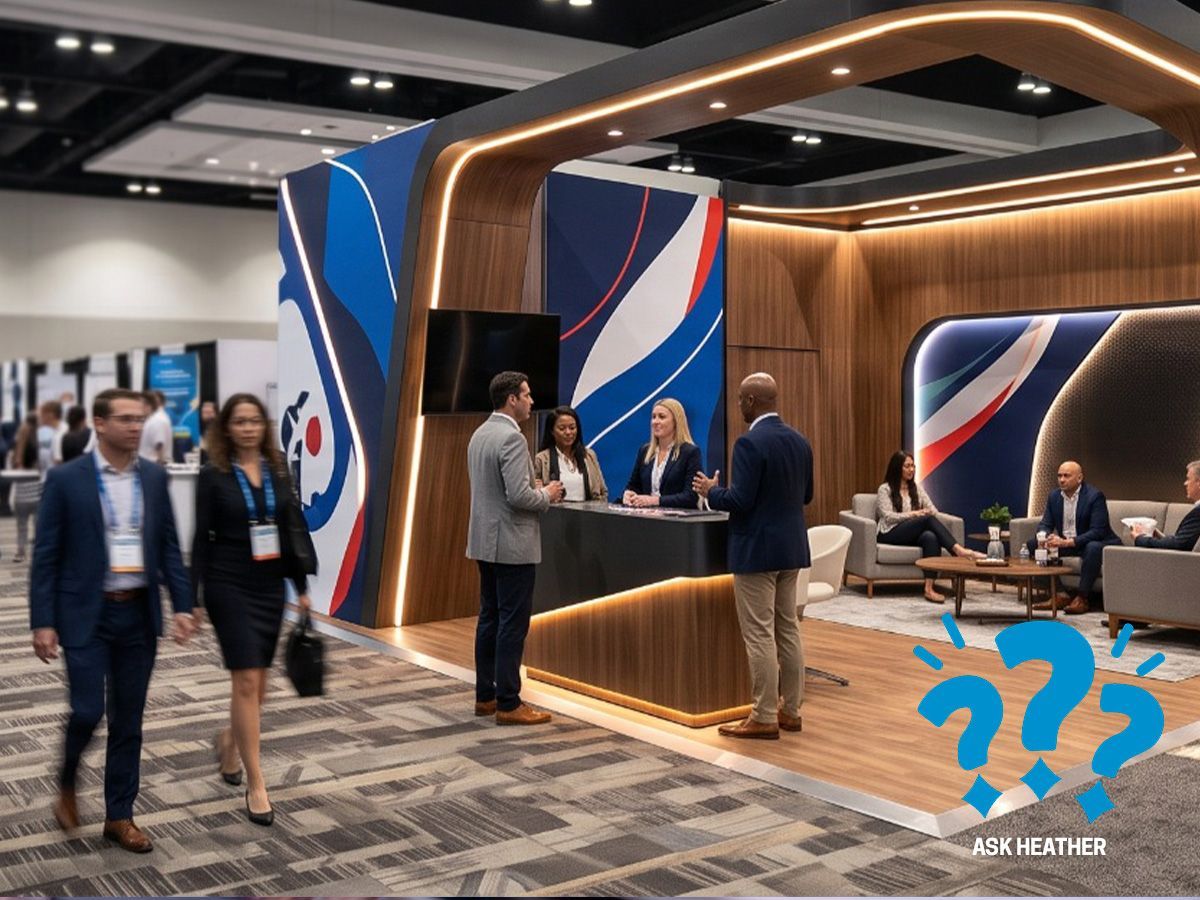
Indoor trade show booths with people networking around blue display counters and product demos

Attending Without Clear Goals

One of the biggest mistakes is exhibiting without defining what success looks like.


If your only objective is to "get our name out there," you'll struggle to measure whether the event was worthwhile.

Instead, establish specific goals before the show, such as:


  • Generating qualified leads.
  • Scheduling customer meetings.
  • Launching a new product.
  • Building brand awareness.
  • Meeting distributors or partners.
  • Recruiting employees.


Clear goals guide every decision you make before, during, and after the event.

Choosing the Wrong Trade Show

Not every event is right for every company.


Many businesses assume that the largest trade show will produce the best results.


Often, that's not the case.


A smaller industry-specific event filled with your ideal customers can deliver far greater value than a massive show with a broad audience.


Before committing, evaluate:


  • Attendee demographics.
  • Decision-maker attendance.
  • Industry relevance.
  • Exhibitor list.
  • Event reputation.
  • Overall costs.


The best trade show is the one where your ideal customers already gather.

Waiting Until the Last Minute

Successful exhibitors don't start planning a week before the event.


They begin months in advance.


Waiting too long can lead to:


  • Rushed booth designs.
  • Missed marketing opportunities.
  • Shipping delays.
  • Untrained staff.
  • Scheduling problems.


Early planning reduces stress and gives your team time to execute properly.

Ignoring Pre-Show Marketing

Many exhibitors assume attendees will simply find their booth.


They won't.


Successful companies promote their participation before the show by:


  • Sending email invitations.
  • Posting on social media.
  • Scheduling appointments.
  • Announcing product launches.
  • Sharing booth numbers.
  • Inviting customers to visit.


Building excitement before the event often produces better booth traffic than relying on walk-by visitors alone.

Focusing Only on Booth Design

A beautiful booth attracts attention.


It doesn't automatically generate business.


Many companies spend most of their budget on displays while neglecting the people working inside them.


Visitors remember conversations far more than graphics.


Your booth should support your staff—not replace them.

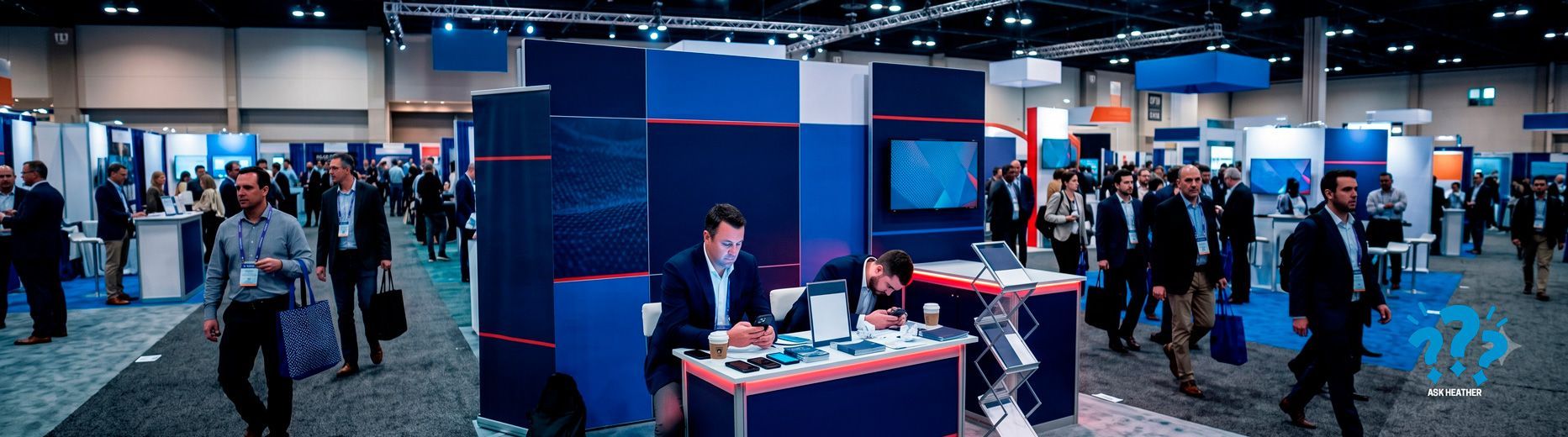
Busy convention hall with booths, attendees, and a central red table under blue partitions.

Sending Untrained Booth Staff

Your team has the biggest influence on your trade show success.


Without proper training, employees often:


  • Wait for attendees to approach.
  • Talk among themselves.
  • Use their phones.
  • Miss opportunities to qualify leads.
  • Deliver inconsistent messaging.


A well-trained team consistently outperforms a larger team that isn't prepared.

Trying to Talk to Everyone

Not every attendee is a potential customer.


Attempting to have lengthy conversations with everyone wastes valuable time and prevents your team from engaging qualified prospects.


Instead, train your staff to ask questions, identify buying potential, and prioritize meaningful conversations.


Quality beats quantity.

Failing to Capture Useful Lead Information

Collecting business cards isn't lead generation.


Your team should record information such as:


  • Contact details.
  • Company.
  • Job title.
  • Needs and challenges.
  • Buying timeline.
  • Products discussed.
  • Agreed next steps.


The more complete your notes, the more effective your follow-up will be.

Following Up Too Slowly

Many exhibitors work hard during the trade show...

...and then wait two weeks to contact their leads.


By then, attendees have returned to busy schedules and may barely remember your conversation.


Prompt follow-up keeps your company top of mind while interest is still high.


Whenever possible, deliver on your promises within a few days of the event.

Measuring the Wrong Things

A busy booth doesn't necessarily mean a successful trade show.


Instead of focusing only on:


  • Booth traffic.
  • Giveaway participation.
  • Badge scans.


Measure outcomes like:


Business results—not booth activity—define success.

Skipping the Post-Show Debrief

Many companies pack up and move on to the next event.


That's a missed opportunity.


After every trade show, gather your team and discuss:


  • What worked?
  • What didn't?
  • Which products generated the most interest?
  • What objections came up repeatedly?
  • What should change next time?


Continuous improvement is one of the biggest advantages successful exhibitors have over their competitors.

The Bottom Line

Trade show success isn't about avoiding one major mistake.


It's about avoiding dozens of small ones.


Companies that consistently outperform their competitors don't necessarily have the biggest booths or the largest budgets.


They set clear goals, choose the right events, prepare their teams, engage qualified attendees, follow up quickly, and learn from every experience.


Avoid these common trade show mistakes, and you'll put your company in a much stronger position to generate more leads, build stronger relationships, and maximize your trade show investment.


Because the companies that get the best results aren't lucky.


They're prepared.

Frequently Asked Questions

  • What is the biggest mistake companies make at trade shows?

    One of the biggest mistakes is attending without clear objectives. Without defined goals, it's difficult to measure success, train booth staff effectively, or determine whether the event generated a positive return on investment.

  • Why do some trade show booths fail?

    Trade show booths often fail because they focus on appearance instead of attendee engagement. Poor staff training, weak messaging, lack of pre-show marketing, and slow follow-up can all prevent an otherwise attractive booth from producing meaningful business results.

  • How can you avoid common trade show mistakes?

    The best way to avoid trade show mistakes is to plan early, choose the right event, train your booth staff, establish measurable goals, qualify leads effectively, and follow up promptly after the show. Reviewing your team's performance after each event also helps improve future results.

Recent Posts

Graphic of what needs to be done before a tradeshow
By Heather Bundgaard August 3, 2026
What do you do to increase your odds of closing deals with new leads from trade shows?
Lego picture depicting action
By Heather Bundgaard August 1, 2026
If you have ever arrived at a show, looked around and thought "I really hope this works", you already know how uncomfortable it feels to wing it.
Picture of very tall woman standing over trade show booths
By Heather Bundgaard July 29, 2026
Booth Boss Bootcamp is an online platform for people who exhibit at trade shows in the United States and who want to stop winging it.
Trade show booth with blue-and-white displays; two people assemble a frame while others browse in the background
By Heather Bundgaard July 28, 2026
Compare renting vs. buying a trade show booth. Learn the pros, cons, costs, and key factors to choose the best option for your trade show strategy and budget.

Woman at a desk reviewing how much a trade show costs next to a laptop in an office
By Heather Bundgaard July 28, 2026
Learn how much a trade show costs, including booth space, travel, staffing, shipping, marketing, and other expenses that impact your ROI.

Picture of people walking by a trade show booth
By Heather Bundgaard July 27, 2026
Booth Boss Bootcamp is an online platform created for people who exhibit at trade shows in the United States and want to stop guessing their way through lead generation.
Two people chatting at a trade show booth in a bright exhibition hall
By Heather Bundgaard July 24, 2026
Learn what makes a trade show successful, from planning and booth staffing to lead generation, follow-up, and ROI.

Three business people reviewing papers at a trade show booth with blue digital displays
By Heather Bundgaard July 24, 2026
Learn how many booth staff you need based on booth size, traffic, staffing roles, and lead generation goals.
Three coworkers reviewing a tablet at a trade show booth, smiling and discussing ideas.
By Heather Bundgaard July 24, 2026
Learn how to generate more leads at a trade show with better conversations, lead qualification, follow-up, and booth strategy.
Staff talking at a trade show booth with blue signage and brochures
By Heather Bundgaard July 24, 2026
Learn what booth staff should do at a trade show to engage attendees, qualify leads, and maximize trade show results.
Show More